All Conference Guests
1. Where in Krakow will the conference take place?
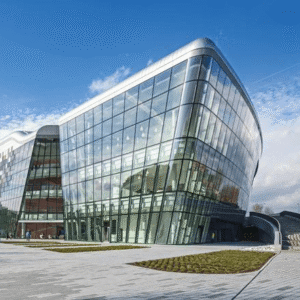
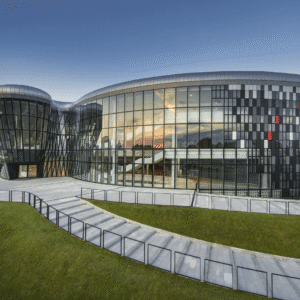
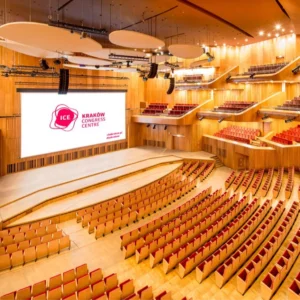
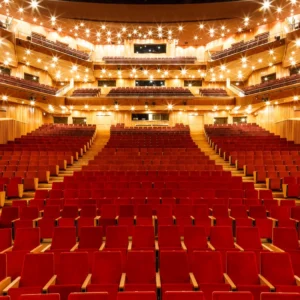
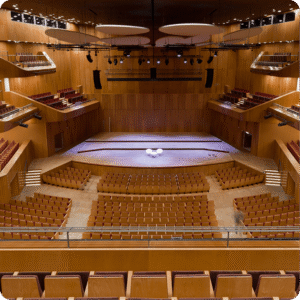
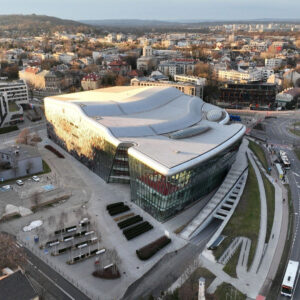
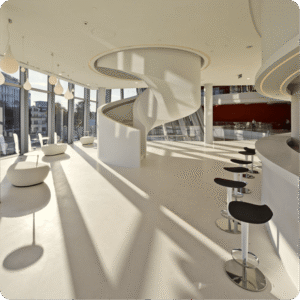
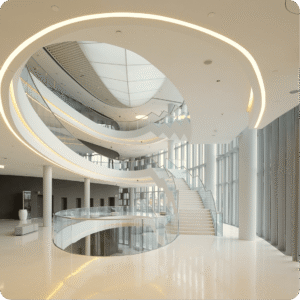
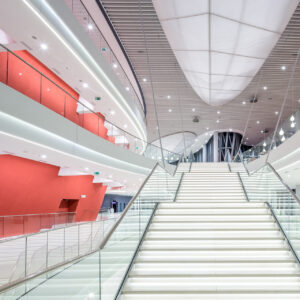
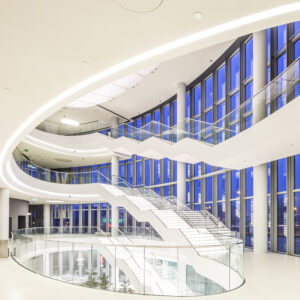
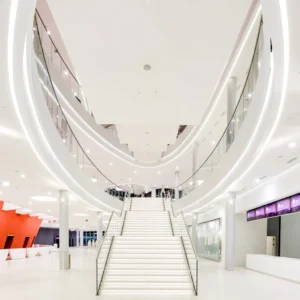
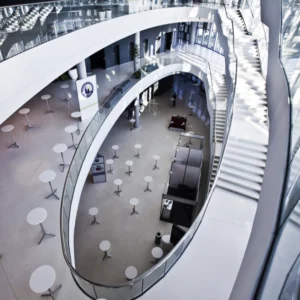
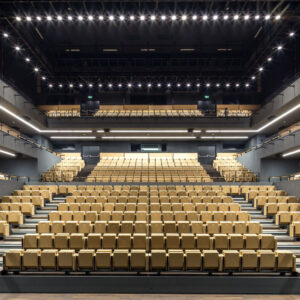
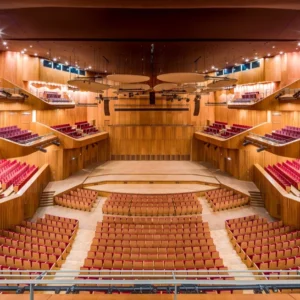
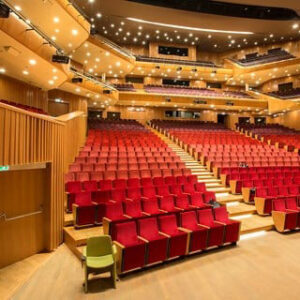
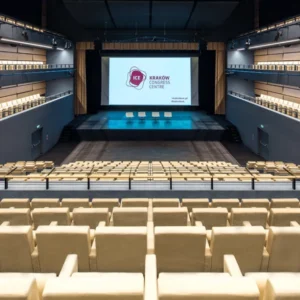
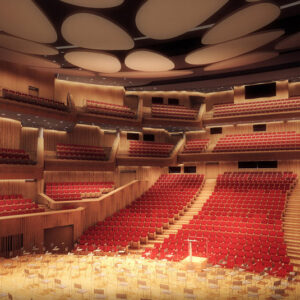
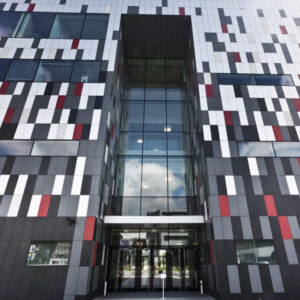
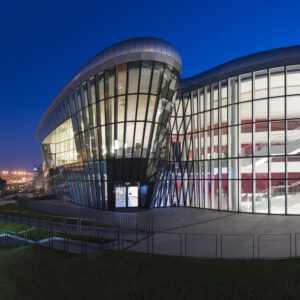
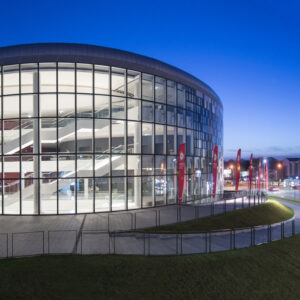
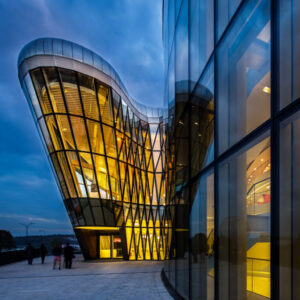
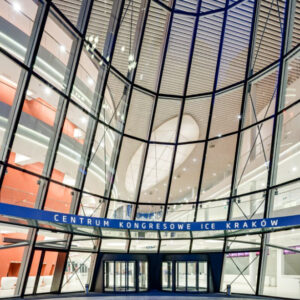
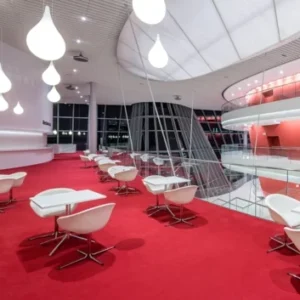
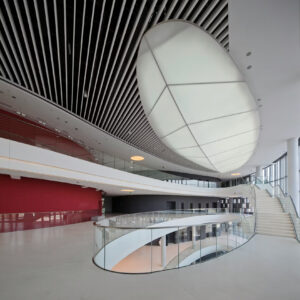
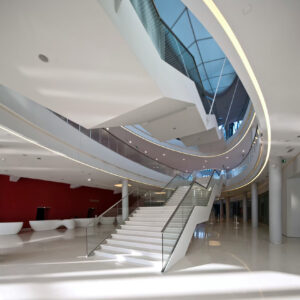
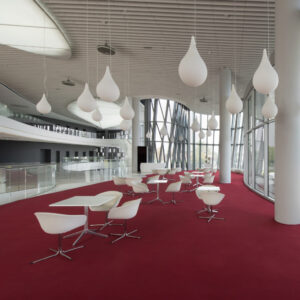
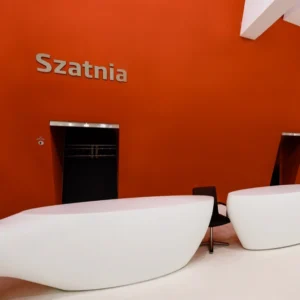
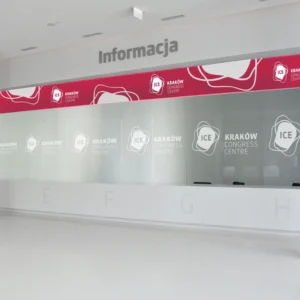
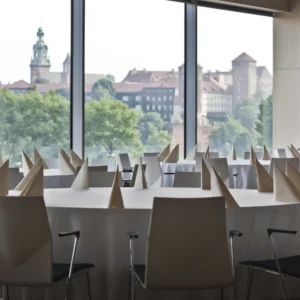
The conference will take place at ICE Kraków Congress Centre – a modern conference and congress center located in the heart of Krakow, overlooking Wawel Castle and the Vistula River, which regularly hosts international cultural and scientific events.
2. How can I register and when does registration open?
Registration can be done at any time:
●
Make a donation in any amount toward the 13 Global Conference on Buddhism through the website
https://4fund.com/wdnezn.
●
Receive an email from us asking if you want to receive an invitation – in your response, write whether you want to attend only the meeting with Ajahn Brahm, the conference, or both events.
●
You will receive an invitation in PDF format – we send messages on the 10th day of each month, so please be patient.
Registration is still ongoing, however the number of places is limited and there are only a few left, so we encourage you to register as soon as possible.
5. How much does participation in the conference cost?
If you want to participate in the conference:
●
Make a donation in any amount toward the 13th Global Conference on Buddhism through the website
https://4fund.com/wdnezn.
●
Receive an email from us asking if you want to receive an invitation – in your response, write whether you want to attend only the meeting with Ajahn Brahm, the conference, or both events.
●
You will receive an invitation in PDF format – we send messages on the 10th day of each month, so please be patient.
●
Confirm your attendance – about 6 months before the conference, we will ask you to confirm your presence.
6. Can I participate only on selected days or in individual lectures?
Yes, you can participate in selected parts of the conference – both in individual lectures and on one of the event days. Out of respect for the speakers and participants, we ask that during a given panel you do not enter or leave the hall too frequently. This will allow everyone to fully focus on the message and maintain an atmosphere of mindfulness.
7. What do I need to remember before entering the hall?
Before entering the hall, please:
● turn off sounds on phones and other electronic devices,
● do not bring open cups with drinks or food in order to maintain cleanliness and tranquility in the common spaces,
● take your seats in advance so as not to disturb the start of the presentation,
● and maintain silence and mindful presence, which promotes focus and respect for the speakers and all participants.
10. How do I get to ICE Krakow from the airport?
ICE Krakow can be reached from the airport by public transport, taxi, or private car. A direct bus line between Krakow Airport and ICE Krakow allows for comfortable travel without the need for transfers. Travel by car from the airport takes no more than 20 minutes.
11. How do I get to ICE Krakow from the railway station?
From the Dworzec Główny Zachód railway station in Krakow to ICE Krakow Congress Centre, you can get there by public transport in about 15–20 minutes.
Option 1: Tram
● From the Dworzec Główny Zachód stop (next to Galeria Krakowska)
● Board tram no. 52 or no. 18 (direction Czerwone Maki P+R or Łagiewniki).
● Get off at the Centrum Kongresowe ICE stop.
● ICE Krakow is right next to the stop (about 2 minutes on foot).
Option 2: Taxi or taxi app
● Travel time: about 10-15 minutes
● Cost: about 20-30 PLN, depending on traffic.
12. What public transport can I take directly to ICE Krakow Congress Centre?
ICE Krakow Congress Centre is located in the very heart of Krakow, right next to the main transportation hub serving this part of Krakow. In the immediate vicinity of ICE Krakow there are bus stops, a new bus loop, and tram stops.
STOP: RONDO GRUNWALDZKIE
● bus lines: 101, 112, 124, 144, 162, 164, 169, 173, 179, 194, 219, 229, 300, 307, 310, 424, 469, 503, 608, 610, 612, 662;
● tram lines: 18, 22, 52, 62.
● A detailed timetable can be found
HERE.
13. Is parking available for conference participants?
The parking at ICE Krakow is an unguarded, paid parking lot, available to clients of the Congress Centre and permanent tenants of ICE Kraków Congress Centre space as well as ICE Krakow guests. The period of parking availability for users may be extended up to one hour after the end of the last event. We kindly inform you that it is not possible to reserve parking spaces, but there is no need to worry about running out of spaces, because the venue is very well connected with public transport and usually majority of the guests choose public transportation. In addition, around ICE Krakow there are paid parking spaces available (paid parking zone) and in front of the main entrance to the facility there is a taxi stand. Parking is available to guests daily from Monday to Sunday between 7:00 AM–11:00 PM. On statutory holidays, unless otherwise determined, the Parking will not be available to guests.
14. What is the accessibility for people with disabilities?
ICE Krakow is a building accessible to everyone, particularly taking into account the needs of people with mobility problems, people with disabilities, the elderly, and parents with strollers. In case of special needs or additional questions – call or write to us. WE'RE HAPPY TO HELP!
15. What should I do if I feel unwell or faint?
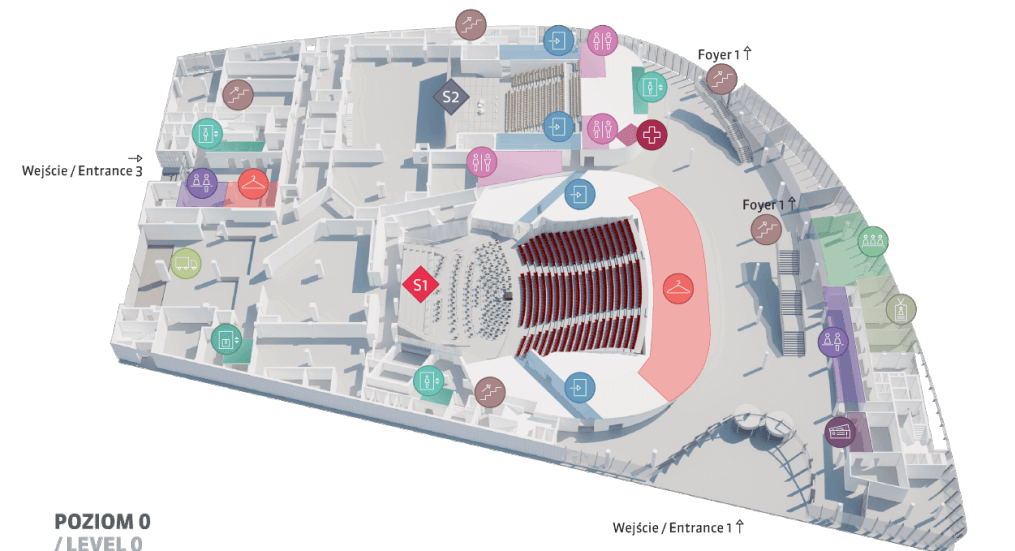
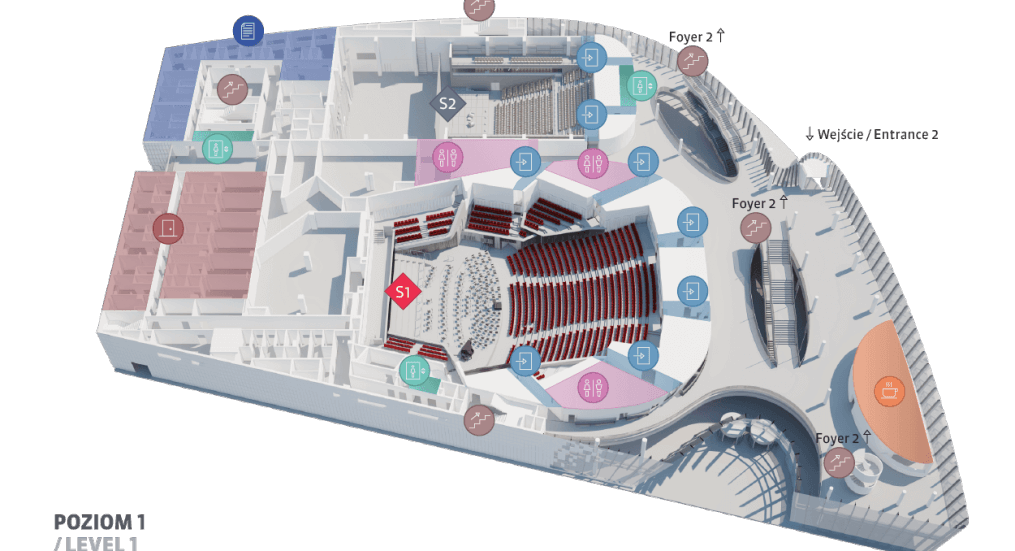
There is a medical room at ICE Krakow. The entrance to medical room is located in the Foyer on level 0, near the passenger elevators. The room is equipped with a couch, IV stand, first aid kit, and basic medical supplies (bandages, dressings, etc.).
If you need help or want to use the medical room, report it to ICE Krakow staff, conference representative or a conference volunteer.
International Participants
1. What is the best way to get to Krakow from abroad?
By plane – The fastest and most convenient option is to fly to Krakow-Balice International Airport (KRK), located about 15 km from the city center.
From the airport to the ICE center you can get:
● by Koleje Małopolskie train (about 20 minutes to the Main Station)
● by city bus (lines 208, 300, and 902 – night bus)
● or by taxi or app.
By train – Krakow has direct rail connections with many European cities, including Prague, Vienna, Budapest, Berlin, and Ostrava. The Main Station is located in the very center of the city, making further transfers easier.
By car – Krakow is easily accessible via the A4 motorway, which connects the city with Germany and Ukraine. However, it is worth remembering about toll sections of the motorway.
By bus – International bus lines (e.g. FlixBus) offer numerous connections from cities throughout Europe. The bus station is located next to the PKP Main Station.
2. Do you provide assistance in obtaining a visa to Poland?
The organizers do not provide assistance in obtaining a visa to Poland. Participants from outside the European Union should independently submit a visa application at the appropriate Polish embassy or consulate in their country, in accordance with applicable procedures. However, upon request, we can issue an official confirmation of participation in the conference, which may be helpful when submitting an application.
Media
1. How can I obtain press accreditation for the conference?
Press accreditation can be obtained by filling out an online form available on the conference website in the Media tab.
The form should include:
● ifirst and last name,
● iname of editorial office or medium,
● iform of planned publication (article, report, interview),
● icontact details.
Applications are reviewed individually by the press spokesperson. The number of accreditations is not limited at this stage. The decision will be communicated via email no later than a few days before the conference begins. Accreditation entitles you to use press materials and, in selected cases, to participate in planned media activities, in accordance with conference rules.
2. Will a press center be available for journalists?
Yes. A virtual press center will be made available to journalists in the form of a dedicated tab on the conference website.
The press center will include:
● current event program,
● information about speakers and organizers,
● official press releases,
● downloadable photos and multimedia materials,
● current updates published during the conference.
Additionally, both before the event and during the conference, a press spokesperson will be available, responsible for:
● ongoing contact with the media,
● providing information and answering journalists' questions,
● coordinating media communication,
● arranging interviews with speakers and representatives of the Organizer, according to the conference schedule and event rules.
During the conference, a "conference TV studio" will be available.
3. Are interviews with speakers and members of the Sangha possible?
Yes, interviews are possible after prior arrangement with the conference press spokesperson.
Interviews will be organized:
● in designated time windows during conference days,
● outside lecture sessions and meditation practices,
● with respect for the rules and rhythm of Sangha life.
Interview requests should be submitted in advance, via the accreditation form or directly to the press spokesperson. The number and form of interviews may be limited for organizational and etiquette reasons.
4. What are the rules for photography and recording during events?
For media with accreditation:
Photography and recording is allowed exclusively for people with valid media accreditation and takes place on the following terms:
● only in designated places and times,
● with minimal use of flash lamps or intense lighting during video recording,
● with respect for ethical principles and Sangha sensitivity,
● according to instructions from organizers and press spokesperson.
The organizers reserve the right to limit or temporarily suspend image and sound recording if required by the nature of a given session.
For participants without media accreditation:
We kindly ask that during lectures, practice sessions, and meetings you do not take photos or record audio or video. Maintaining silence and mindfulness is an integral part of the conference's character. Photographic materials and recordings from the event will be prepared by the organizers and made available on an ongoing basis in official conference channels, so that all interested parties can use them without disrupting the course of meetings.
6. Who can I contact regarding PR and media communication?
For all matters related to PR, media communication, accreditation, and interviews, please contact the Conference Press Spokesperson.
Press spokesperson: Robert Błaszczyk, e-mail:
media-(at)-dev.buddha2026.org - the address will be activated before the conference.
The press spokesperson is responsible for:
● contact with media before and during the event,
● providing information and answering journalists' questions,
● coordinating media communication,
● arranging interviews with speakers and representatives of the Sangha.
Current contact details will be available on the conference website in the Media tab and in official press materials.
Practitioners and Sangha
2. What are the rules regarding attire during the event?
We encourage choosing toned down clothing that does not attract excessive attention and is not too exposing. This way of dressing helps create an atmosphere of peace, respect, and focus, conducive to listening together and practicing the Dhamma.
4. What are the basics of behavior toward monks and nuns?
With respect – when greeting a monk or nun, you can place your hands in the añjali gesture and bow slightly. If addressing them directly, we use the titles:
● Ajahn or Bhante – for a monk,
● Ayyā – for a nun,
● Venerable – a title of respect that can be used for both monks and nuns.
Without touch – please do not touch Ajahns, Ayyās, or Venerables, and do not hand them objects directly without their approval.
With mindfulness – speak calmly, avoid noise, do not ask too many personal questions. Questions are best directed during the joint Q&A session.
In the context of meals – Ajahns and Ayyās do not accept money or food outside a specified time of day.
In doorways and queues – if the situation requires it, let Ajahns, Ayyās, and Venerables go first as an expression of respect and mindfulness toward them.
Gratitude and simplicity – their presence is a gift and support for our practice; silence and mindful presence are the best form of gratitude.
5. Can I take photos of monks and nuns?
Please do not take photos of monks or nuns during the conference. We want our guests to feel completely comfortable and not be constrained by the presence of cameras or phones. If an opportunity for a group photo appears after the event, it will be clearly announced by the organizers. Thank you for understanding and respect for the Sangha.
6. Can I ask a monk or nun for a private conversation during the conference?
Please do not ask monks or nuns for private conversations during the conference. The event brings together a very large number of people, so our guests will not be able to talk to everyone individually. Let us also remember that participation in such a large event is a big challenge for people living in monasteries – the amount of stimuli and interactions can be tiring for them. The best way to show them respect is mindful presence and listening to the Dhamma together.
Volunteers and Organizers
1. How can I sign up for volunteering?
You can sign up for volunteering at the Conference through the survey available
HERE.
Please remember that volunteer registration opened in 2025, so if you sign up just before the conference, it may turn out that there is no possibility of including you in the team supporting the event. We encourage early registration to ensure participation and cooperation in organizing the conference.
2. What tasks will volunteers perform during the conference?
Volunteers can support the conference in various areas, including:
● Office / reception service – at participant registration, distributing conference materials, as information desk.
● Guest care – helping nuns, monks, and speakers move around the facility, ensuring comfort, translation.
● Technical support – assistance with sound systems, projectors, and computers.
● Recording / material translations – help with EN ↔ PL translation.
● Driver – transporting guests or carrying out other logistical tasks.
● Special tasks – responding to spontaneous situations requiring additional help.
Tasks will be assigned based on your declarations in the surveys to best match them to your skills and preferences.
3. Will volunteers receive training before the event?
Yes, volunteer training began in 2025. Each department will be properly trained so that participants can act efficiently and as independently as possible. A manager will be appointed in each department who will ensure smooth communication both within their team and between departments.
4. Is it required for volunteers to know English?
Many tasks during the conference will require communicative knowledge of English, e.g. in contact with foreign guests or for translations. However, there are also tasks where knowledge of English is not necessary. The volunteer survey will provide an option to indicate your language skills so we can assign you to the appropriate department.
5. Do volunteers receive a certificate of participation or references?
Yes, volunteers have the opportunity to receive a certificate of participation or references. These documents can be issued by both the Theravāda Foundation and the Polish Early Buddhism Society (PEBS), confirming your involvement and scope of tasks performed during the conference.
6. Can people from abroad also apply for volunteering?
Yes, people from abroad can also apply for volunteering. Some tasks can be performed remotely, while others require presence only during the conference in Krakow. This way, everyone can find a role appropriate to their possibilities and location.
Online Stream
1. Will the conference be streamed online in full or only selected sessions?
The conference will be streamed online in full – all sessions, lectures, and panels will be available to remote participants, so that everyone can fully participate regardless of where they are located. Additionally, all materials will be made available online as recordings, allowing you to return to the content of lectures and panels even after the event ends.
2. Will the stream be available for free?
Yes, the conference stream will be completely free and available to all interested parties online. The only requirement will be prior registration using an email address to receive the stream link. You can find registration
HERE
4. Will translation be provided for the online stream?
Yes, the online stream will have exactly the same simultaneous translation that participants will hear on-site through headphones. This way, remote participants will be able to fully access the content of lectures and panels in the same language as on-site participants.
Other Questions
1. Can I come with children and will there be activities for them during the conference?
With respect for all families, we inform you that the conference does not provide activities for children. Our experience shows that Dhamma lecture content is difficult for the youngest to absorb, and the lack of dedicated activities may cause boredom and disrupt the course of sessions.
Therefore, we do not recommend coming with children. The exception is children over 12 years of age who are genuinely interested in the conference topic and are able to participate in lectures with focus and silence. Such participation is left to the mindful decision of parents or guardians.
Our goal is to ensure a peaceful and comfortable atmosphere for both participants and speakers. At the same time, we appreciate the interest of younger people and encourage discovering the Dhamma together in spaces and forms adapted to their age, outside the conference framework.
8. Can I bring a dog to the conference?
Although we approach all living beings with deep respect, due to the large number of participants and the comfort and safety of guests, there is no possibility of bringing a dog or other animals. Thank you for understanding and caring for the shared space.